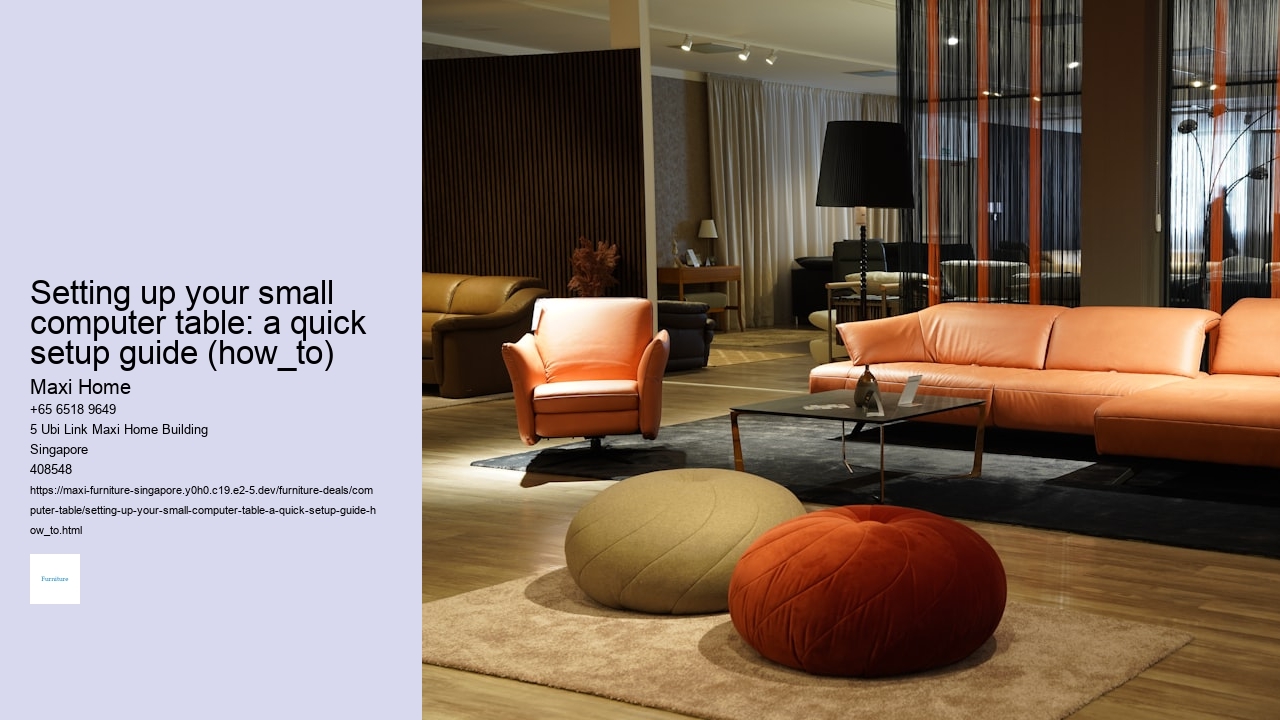
So, you've got your new place! Congrats! Whether it's a cozy BTO flat or a stylish condo, setting it up *just right* is key, right? But let's be real, Singaporean homes aren't exactly known for being huge. And that computer table you need for work or gaming? It can easily become a space hog if you're not careful. That's where this guide comes in. We're going to show you how to maximize your small space with the perfect furniture – specifically, your computer table. No need to feel cramped or compromise on style. Confirm can!
Before you even think about browsing online or heading to a furniture store, grab a measuring tape. Seriously. This is the most important step! Knowing your exact dimensions is crucial, especially in our space-conscious Singapore homes. Measure the area where you envision your computer table sitting. Don't just eyeball it, lah! Get the length, width, and even the height. You want to make sure you have enough space not just for the table itself, but also for your chair, monitor, and, you know, actually *moving* around.
Think about the flow of the room. Is the area near a doorway? Will a bulky computer table block access or make the space feel claustrophobic? Consider the placement of power outlets, too. You don't want to end up with a tangled mess of extension cords snaking across the floor. Nobody wants that! A good computer table setup considers all these things.
Once you have your measurements, sketch a rough layout of your room. You can even use free online tools to create a digital floor plan. Mark where your other furniture pieces are located – sofa, TV console, bookshelves – and then play around with different positions for your computer table. This will give you a visual representation of how the table will fit into your overall space. It's a bit like playing Tetris, but with furniture! This also helps you determine what size and shape of computer table will work best. A corner desk might be perfect for maximizing space in a small room, while a narrow, wall-mounted desk could be ideal for a tight hallway or alcove. Don't underestimate the power of planning!
And here's a pro tip: consider the lighting. Natural light is great, but you'll also need good task lighting for working at your computer. Make sure your chosen spot has adequate lighting, or plan to add a desk lamp. Trust me, your eyes will thank you.
Now for the fun part: picking out your computer table! But with so many options available, how do you choose the right one? Let's break it down. First, size matters. Refer back to your measurements. Don't be tempted to squeeze in a table that's too big. A smaller, more functional table is always better than a large, cumbersome one that dominates the room. Think about the minimum surface area you need for your monitor, keyboard, mouse, and any other essential items. Do you need space for paperwork? A printer? Factor all of that in.
Next, consider the shape. As mentioned earlier, corner desks are fantastic for making the most of unused corners. L-shaped desks offer ample workspace while still fitting neatly into a corner. Straight desks are a classic choice, but they can take up more space. Wall-mounted desks are a great option for extremely small spaces, as they free up floor space. They're also surprisingly sturdy and can hold a decent amount of weight. Another option to consider is a standing desk. These are becoming increasingly popular for their health benefits, but they do require more vertical space.
Finally, think about the style. Your computer table should complement the overall aesthetic of your room. Do you prefer a modern, minimalist look? Or a more traditional, classic style? There are computer tables available in a wide range of materials, from wood and metal to glass and laminate. Choose a material that's durable, easy to clean, and matches your personal taste. Also, consider the color of the table. A light-colored table can make a small room feel brighter and more spacious, while a dark-colored table can add a touch of sophistication. So many choices, right? Take your time and find something you really love.
Don't forget about storage! After a long day squeezing on the MRT and surviving meetings, most Singapore homeowners just want to step into their house to a space that feels welcoming and calm instead of piling on more fatigue. A cluttered living room or an lumpy bed setup can make unwinding even tougher, especially when the entire family want to relax together. That’s where thoughtful Condo Interior Design really makes a difference—it turns everyday rooms like your hall, bedroom, or kitchen into private sanctuaries that actually help you recharge. With the right couch, sleep surface, or clever layout, suddenly coming home feels shiok lah, and thoughtful tweaks can bring huge benefits to your well-being and family moments. Platforms like Wondrous La Vie make it easier to explore options and match with designers who get the the Singaporean home feel spot on. This format lets you easily generate multiple SEO-optimised variations while keeping the core keyword "interior design" stable in the middle for strong on-page targeting.. A computer table with built-in drawers or shelves can help you keep your workspace organized and clutter-free. Look for tables with cable management features to keep your cords tidy and out of sight. A tidy workspace is a happy workspace!
Okay, your new computer table has arrived! Now it's time to put it together. Don't panic! Most computer tables come with fairly straightforward assembly instructions. Before you start, take a deep breath and lay out all the parts. Check that you have all the necessary screws, bolts, and tools. If anything is missing, contact the manufacturer or retailer immediately. Residents in Singapore often encounter special considerations when buying new furniture, especially due to limited room sizes common in public and private housing and constant high humidity that affects furniture longevity. This is precisely why wise homeowners shop very thoughtfully to enjoy real long-term value. computer table stands out as a truly outstanding addition to any home that combines both genuine comfort plus sensible everyday usefulness. Make sure you selecting reasonably priced versions in Singapore with dependable after-sales service means you get total support with features like efficient island-wide delivery, skilled installation, and long-lasting warranties that deliver true long-term peace of mindyou can truly count on.. It's better to find out early than to get halfway through the assembly process and realize you're missing a crucial piece.
Follow the instructions carefully, step by step. Don't try to rush through it. It's better to take your time and do it right than to end up with a wobbly or unstable table. If you're not confident in your DIY skills, consider hiring a professional to assemble the table for you. Many furniture retailers offer assembly services for a small fee. It might be worth the investment to save yourself the hassle and ensure that the table is put together correctly. Steady lah, take your time!
Once the table is assembled, position it in your chosen spot. Make sure it's level and stable. If it's wobbly, adjust the feet or add shims underneath. Connect all your peripherals – monitor, keyboard, mouse, printer – and organize the cables. Use cable ties, clips, or sleeves to keep the cords tidy and out of sight. A clean and organized workspace will help you stay focused and productive.
Finally, personalize your workspace with a few decorative items. A plant, a framed photo, or a small desk organizer can add a touch of personality and make your workspace feel more inviting. But don't overdo it! Keep it simple and clutter-free. Remember, the goal is to create a functional and comfortable workspace that helps you get things done.
So, you've got your computer table set up and looking good. But the work doesn't stop there! Maintaining a tidy and organized workspace is crucial for productivity and focus. Make it a habit to declutter your desk at the end of each day. Throw away any trash, file away important documents, and put away any items you're not using. A quick five-minute tidy-up can make a big difference.
Invest in some desk organizers to keep your supplies in order. The hall is usually the first space people walk into first and where the kids and parents relax after dinner, so it makes sense to want pieces that feels premium, organises cables neatly, and avoids shrinking the space visually than it already is in typical Singapore homes. Many homeowners deal with clunky legacy furniture or budget cabinets that feel unstable, collect dust easily, or just don’t fit the current aesthetic they’re aiming for. That’s exactly where a well-chosen furniture store steps in—it provides streamlined compartments for entertainment equipment, set-top boxes, and remotes while serving as an elegant centrepiece that unifies the entire space with clean lines, thoughtful compartments, and luxurious surfaces. SUDDENLY the TV area becomes organised and intentional, the room looks bigger and more put-together, and film evenings get way more fun without the clutter distracting everyone. Exploring handpicked selections on platforms like Wondrous La Vie lets you find designs that fit your space perfectly, from simple modern to high-end, so your living room upgrade feels effortless and spot-on.. Pen holders, file trays, and drawer dividers can help you keep everything in its place. Use cable management solutions to keep your cords tidy and out of sight. A tangled mess of cords can be distracting and even dangerous. Dust your computer table regularly to prevent dust buildup. A clean table looks better and is also better for your health.
Consider using cloud storage to store your files and documents. This will free up space on your computer and make it easier to access your files from anywhere. Regularly back up your data to prevent data loss. You don't want to lose all your important files due to a computer crash or hard drive failure. Nobody wants that kind of headache!
And finally, don't be afraid to re-evaluate your workspace from time to time. As your needs change, you may need to adjust your setup. Maybe you need a new monitor, a more comfortable chair, or a different type of desk organizer. The key is to stay flexible and adapt your workspace to your evolving needs. Like that, your computer table will always be a productive and enjoyable space to work in!
```html
So, you’re setting up your new place, lah? Exciting times! Whether it’s a cosy BTO flat, a condo, or just revamping your current space, finding the right furniture is key. And for many of us these days, that includes a dedicated spot for our computer. But let’s be real, space is often a premium in Singapore, right? That's where choosing the right furniture, specifically a computer table, becomes super important.
I remember when I was setting up my first place. I wanted a huge, fancy desk, the kind you see in movies! But then reality hit – my living room wasn’t exactly a ballroom. I had to get creative and find something that fit both my needs and my limited square footage. And trust me, you can too! This guide is all about helping you find a computer table that’s perfect for your space, your budget, and your style. We'll cover everything from size and shape to materials and extra features. Think of it as your cheat sheet to creating a productive and stylish workspace, even in a small apartment.
It's important to remember that the right small space computer table isn't just about having a surface to put your laptop on. It's about creating a functional and inspiring zone where you can work, study, or even just unwind with your favourite game. It's about maximizing your space and making the most of what you have. And hey, who knows? Maybe you'll even enjoy working from home a little more! So, let's dive in and find the perfect computer table for you!
Okay, first things first: grab that measuring tape! Before you even think about browsing online or hitting the furniture stores, you need to know exactly how much space you have to work with. I know, it sounds obvious, but you’d be surprised how many people skip this step and end up with a computer table that’s way too big. Imagine the frustration! Don’t be that person.
Measure the length and width of the area where you plan to put your computer table. But don't just measure the floor space! Consider the height too. Are there any shelves, windows, or other obstacles that might get in the way? You’ll want to make sure you have enough headroom and that you can comfortably reach everything on your desk. Also, think about the chair you'll be using. Will it fit comfortably under the desk when you're not using it? Will you have enough room to pull it out and move around?
When it comes to the actual dimensions of the computer table, consider the size of your equipment. Do you just need space for a laptop? Or do you have a desktop computer, monitor, keyboard, mouse, and other peripherals? A laptop generally only requires a surface area of 30-40 inches in width, while a desktop with multiple screens might require 48-60 inches. A good rule of thumb is to leave a bit of extra space for paperwork, stationery, or that all-important cup of coffee. You know, for those late-night study sessions or when you're burning the midnight oil. Make sure you have enough room for your keyboard and mouse, too. You don't want to feel cramped or restricted. Ergonomics are important, especially if you're spending long hours at your desk.
For smaller spaces, consider a corner computer table or a wall-mounted desk. These are great space-saving options that can maximize your available area. Corner desks fit snugly into corners, freeing up valuable floor space. Wall-mounted desks can be folded away when not in use, making them ideal for multi-purpose rooms. If you're really tight on space, you could even consider a standing desk converter that sits on top of an existing table or surface. These allow you to switch between sitting and standing throughout the day, which can be great for your health and productivity.
Remember, it's always better to err on the side of caution and choose a computer table that's slightly smaller than you think you need. You can always add storage or accessories later, but you can't make a desk smaller once you've bought it! So, measure carefully, consider your needs, and choose wisely. Confirm can find the perfect fit!
Alright, you’ve got your measurements down. Now comes the fun part: picking the shape of your computer table! This isn’t just about aesthetics, leh. The shape can seriously impact how you use your space and how productive you are. Think about your workflow and how you like to organize your things. This will help you determine which shape is best for you.
The classic straight computer table is a great option for smaller spaces. It’s simple, versatile, and can fit easily against a wall. It kind of gives a minimalist feel one. A straight desk is perfect if you only need space for a laptop or a single monitor. It's also a good choice if you prefer a clean and uncluttered workspace. However, if you need more surface area or you have multiple monitors, a straight desk might not be the best option. You might find yourself feeling cramped and disorganized. I know I would!
L-shaped computer tables are fantastic for maximizing corner space and providing ample workspace. They're ideal for gamers, designers, or anyone who needs a lot of room for multiple monitors, equipment, and paperwork. The L-shape allows you to create separate zones for different tasks, such as writing, typing, or gaming. You can also easily swivel between different areas of the desk without having to get up and move around. This can be a real time-saver, especially if you're working on multiple projects at once. Just make sure you have enough space in the corner to accommodate the L-shape without it feeling too cramped.
Corner computer tables, as mentioned earlier, are specifically designed to fit snugly into corners. They're a great space-saving option for small apartments or rooms with limited floor space. Corner desks often have a curved or angled front, which allows you to sit comfortably in the corner and reach all areas of the desk. They can also be a good option for people who like to have everything within easy reach. However, corner desks can sometimes be a bit awkward to move around, and they might not be the best choice if you need a lot of legroom.
Ultimately, the best shape for your computer table depends on your individual needs and preferences. Consider the size of your space, the amount of workspace you need, and how you like to organize your things. Don't be afraid to experiment and try out different shapes until you find one that feels right for you. And remember, you can always customize your desk with accessories like monitor stands, keyboard trays, and cable management systems to make it even more functional and comfortable.
Okay, let's talk materials! The material of your computer table not only affects its appearance but also its durability, stability, and price. You’ve got a few main options here: wood, metal, and glass. Each has its own pros and cons, so let’s break it down so you can choose the best one for your needs and your budget.
Wooden computer tables are a classic choice, and for good reason. They're durable, sturdy, and can add a touch of warmth and elegance to any room. Wood comes in a variety of finishes, from light and airy to dark and sophisticated, so you can easily find one that matches your décor. Solid wood desks are the most expensive option, but they're also the most durable and long-lasting. They can withstand a lot of wear and tear, and they're less likely to scratch or dent than other materials. However, solid wood desks can also be quite heavy, which can make them difficult to move around. Particleboard or MDF desks are more affordable, but they're also less durable and more prone to damage from moisture or heavy loads. These are often covered with a laminate or veneer to give them the appearance of real wood. You'll find a wide range of styles and finishes in this category, so you can find something that fits your budget and your taste.
Metal computer tables are known for their strength and durability. They're also relatively lightweight and easy to clean. Metal desks often have a modern or industrial look, which can be a great choice for contemporary homes. They're also a good option for people who are looking for a desk that's easy to assemble and disassemble. Metal desks are typically made from steel or aluminum. Steel desks are stronger and more durable, but they're also heavier and more expensive. Aluminum desks are lighter and more affordable, but they're not as strong or durable. Metal desks can also be prone to scratching, so you might want to consider using a desk pad or protector.
Glass computer tables offer a sleek and modern look. In Singapore’s non-stop life, returning home to a space that feels genuinely welcoming can make all the difference after a full day of office grind and MRT squeezes. Many busy families begin looking at improvements for their living area or bedroom, hoping for pieces that feel premium while truly comfortable enough for real life. That’s exactly why sofa set shines—it brings that perfect blend of elegant design, top-grade craftsmanship, and thoughtful comfort that turns everyday spaces into havens you can’t wait to return to chilling in. Picture settling into a luxurious couch after evening meal or starting the day energised on a luxury sleep surface that gives ideal back support; suddenly, your home feels more like a private sanctuary instead of just another place. Browsing thoughtfully chosen pieces on places like Wondrous La Vie helps you uncover these pieces without the overwhelm, making it easier to create a space that’s both elegant and calming.. They can make a small space feel larger and more open, as light can pass through them easily. Glass desks are also easy to clean and maintain. However, glass desks can be more fragile than wood or metal desks, and they can also be more expensive. They're also prone to fingerprints and smudges, so you'll need to clean them regularly to keep them looking their best. Tempered glass is a must for safety, as it's much stronger and less likely to shatter than regular glass. It can also be a bit cold to the touch, especially in air-conditioned rooms. You might want to consider using a desk pad or coaster to protect your hands and your desk.
Think about your lifestyle and your budget when choosing a computer table material. Do you have kids or pets who might be rough on furniture? Are you looking for a desk that will last for
Before you even think about unfolding that instruction manual, make sure you've got your arsenal ready. We're talking about a good-quality screwdriver set (both Phillips head and flathead are usually needed), an Allen wrench set (often included with your computer table, but having your own is steady), and possibly a rubber mallet for gently persuading stubborn pieces into place. A measuring tape can also be surprisingly useful, especially if you're working in a tight space and need to double-check clearances. Trust me, hunting for the right tool halfway through is a real mood killer, and can even damage the furniture one.
Alright, you've got your tools laid out – now it's time for a treasure hunt! Unpack everything carefully and compare the parts against the parts list in the instruction manual. This is super important because missing a small screw or bracket early on can lead to major headaches later. Group similar parts together to make them easier to find, and lay out larger pieces in a clear area. After those endless workdays and the daily MRT squeeze, nothing beats walking into a living area that actually welcomes you to rest instead of stressing you out more. Many busy Singapore households discover their existing sofa setup just isn’t up to standard—too stiff, too worn, or simply not comfortable enough for family movie time or lazy weekends with the kids. That’s precisely where luxury furniture singapore makes all the difference—it combines timeless style, buttery-soft fabrics, and thoughtful support structure so you can settle in deeply and fully chill without your spine protesting the next day. Imagine the entire family gathering there naturally, chatting over supper or enjoying Netflix marathons, because the space finally feels cosy and inviting. Choosing the ideal sofa through handpicked collections on Wondrous La Vie makes it straightforward, letting you uncover that ideal match that elevates your entire home vibe without the common home-upgrade worries.. It's like preparing ingredients before you start cooking; a little prep goes a long way. Plus, discovering a missing part *before* you start gives you time to contact the shop, instead of being stuck halfway through on a Sunday evening, right?
Now, think about your floor. You don’t want to end up scratching your nice parquet or tile flooring while you're wrestling with the computer table components. Lay down a drop cloth, an old blanket, or even just some flattened cardboard boxes to create a protective barrier. This also gives you a softer surface to work on, which can help prevent damage to the furniture itself. Especially important if you're assembling on a hard surface like concrete – prevention is better than cure, as they say. Scratches are damn hard to remove, leh.
Yes, I know, reading instructions is about as exciting as watching paint dry. But trust me on this one, especially for small space computer tables where every piece needs to fit together just so. Take a few minutes to actually understand the assembly process *before* you start screwing things together. Pay close attention to the diagrams, and identify any tricky steps or potential pitfalls. Many instructions now have QR codes that link to video tutorials - these are your friend! It confirm can save you time and frustration in the long run.
Finally, before you start building your new computer table, you need to create a dedicated workspace. Clear away any clutter, move furniture out of the way, and make sure you have plenty of room to maneuver. A cramped workspace is a recipe for disaster – you're more likely to trip, drop things, or accidentally damage something. Remember, you’re building a computer table, not performing open-heart surgery. Give yourself enough space to breathe and work comfortably, and the whole process will be much smoother and less stressful. Like that, steady and easy to complete your computer table assembly.
So, you've just gotten your new furniture delivered, and staring back at you is a flatpack computer table. Don't panic, lah! Assembling your own furniture can seem daunting at first, especially after a long day chiong-ing at work, but trust me, it's totally doable. This guide is designed to make the process as smooth as possible, even if you're a complete DIY newbie. We’ll break down each step, ensuring your new computer table is ready for action in no time. Think of it as a mini-project, and the reward? A functional and stylish workspace perfectly suited to your needs.
Once you've confirmed everything is present and accounted for, take a closer look at the different components. Group similar items together – all the screws in one pile, the legs in another, and so on. This will save you a ton of time and prevent confusion when you’re actually assembling the computer table. You might also want to keep a small bowl or container handy to hold the screws and bolts, so they don't roll away and disappear into the void under your sofa. Trust me, it happens to the best of us! Consider using masking tape and a marker to label different screw types if they look similar. A little bit of prep work goes a long way.
Beyond the essentials, there are a few optional tools that can make the process even smoother. A utility knife or box cutter can be useful for opening packaging or trimming excess material. A pair of pliers can help with gripping or tightening small parts. And a work mat or drop cloth can protect your floor from scratches or spills. Remember, safety first! Wear safety glasses to protect your eyes from flying debris, and gloves to protect your hands from splinters or sharp edges. If you're using a power drill, make sure to read the instructions carefully and follow all safety precautions. Assembling furniture should be a fun and rewarding experience, not a trip to the A&E!
Alright, with your tools at the ready, let's get down to the nitty-gritty of assembling the frame and legs of your computer table. This is where the instruction manual becomes your best friend. Follow the diagrams and instructions carefully, step by step. Usually, the first step involves attaching the legs to the tabletop or a supporting frame. Pay close attention to the orientation of the legs – some legs may have a specific front or back. Use the correct screws or bolts for each connection, as indicated in the manual. Don't force anything! If a screw is difficult to turn, double-check that you're using the right size and that the holes are properly aligned. Overtightening screws can damage the wood, so tighten them just enough to secure the legs firmly in place.
With the frame and legs assembled, it's time to attach the tabletop. This is usually a straightforward process, but it's important to get it right to ensure a stable and aesthetically pleasing computer table. Carefully position the tabletop over the frame, aligning it according to the instructions. Most tabletops will have pre-drilled holes for attaching to the frame. Use the correct screws to secure the tabletop to the frame, tightening them evenly to prevent warping or cracking. If the tabletop doesn't have pre-drilled holes, you may need to drill pilot holes yourself. This will make it easier to insert the screws and prevent the wood from splitting. Be sure to use a drill bit that's slightly smaller than the diameter of the screws.
Now for the fun part: adding accessories and putting those finishing touches on your computer table! This is where you can really personalize your workspace and make it your own. Many computer tables come with additional features like keyboard trays, drawers, or shelves. Follow the instructions to install these accessories, making sure everything is properly aligned and securely attached. A keyboard tray can improve your ergonomics and free up valuable desk space. Drawers can provide storage for stationery, documents, or other essentials. And shelves can be used to display books, plants, or decorative items. Think about what you need to make your workspace more functional and comfortable. Maybe a monitor stand to raise your screen to eye level? Or a cable management system to keep your cords organized and out of sight?
Before you even think about picking up a screwdriver, the first thing you need to do is unpack everything carefully. Find a spacious area – your living room floor, perhaps? – and lay out all the components. This is super important, so you don't accidentally scratch anything while you're trying to figure out what's what. Now, grab the instruction manual (usually hiding at the bottom of the box, kanchiong, right?). Most manuals will have an inventory list, detailing every single piece you should have: the tabletop, legs, screws, bolts, dowels, and any other hardware. Take your time and cross-reference each item. Nothing's more frustrating than getting halfway through and realizing a vital screw is missing! If something is missing, don't stress. Most reputable furniture stores in Singapore have excellent customer service and will happily send you a replacement part. Just give them a call or email with your order details. It's always better to be sure than sorry, right?
Okay, now that you've got everything unpacked and organized, let's talk tools. You don't need a fancy workshop to assemble a computer table; just a few basic tools will do the trick. First and foremost, you'll need a screwdriver. A Phillips head screwdriver is usually the most common type required for furniture assembly, but it's always good to have a flathead screwdriver on hand as well, just in case. A power drill with screwdriver bits can speed things up considerably, especially if you're assembling a larger or more complex computer table. However, be careful not to overtighten the screws, as this can damage the wood or strip the threads. If you're using a power drill, set it to a low torque setting. A rubber mallet can be useful for gently tapping pieces into place, especially dowels or tight-fitting joints. A level is essential for ensuring your computer table is perfectly level, preventing any annoying wobbles. And finally, a measuring tape can be handy for double-checking dimensions or aligning components. Don't have a level? Your phone probably has an app for that! Steady can.
As you attach each leg, make sure it's aligned correctly with the tabletop or frame. Use a level to check that the legs are all at the same height. If one leg is slightly shorter than the others, you can use shims (small pieces of wood or plastic) to level it out. Once all the legs are attached, give the frame a good shake to make sure everything is sturdy and secure. If anything feels loose or wobbly, go back and tighten the screws or bolts. This is also a good time to check for any gaps or misalignments. If you spot any, try to correct them before moving on to the next step. Remember, a solid foundation is essential for a stable and functional computer table. After all, you don't want your monitor wobbling every time you type, right?
Once the tabletop is attached, check for any gaps or misalignments between the tabletop and the frame. If you spot any, try to correct them by loosening the screws and adjusting the position of the tabletop. Use a level to ensure the tabletop is perfectly level. If it's not, you can use shims under the legs to level it out. Now, give the entire computer table a thorough inspection. Make sure all the screws are tight, all the joints are secure, and the tabletop is firmly attached to the frame. If everything looks good, congratulations! You've successfully assembled the main structure of your computer table. Almost there, one!
Once you've installed all the accessories, it's time to clean up your computer table and add those final touches. Wipe down the surface with a damp cloth to remove any dust or fingerprints. Use a furniture polish to protect the wood and give it a nice shine. Arrange your computer, monitor, keyboard, and mouse on the tabletop. Add a desk lamp for task lighting, and maybe a few personal touches like a framed photo or a small plant. And there you have it – a fully assembled and personalized computer table, ready for work or play! See? Not so difficult, right? Now, go ahead and enjoy your new workspace. Singapore homes can feel particularly tight after a long exhausting day of juggling office hours, meetings, and the daily MRT rush, so it’s no wonder many homeowners crave a space that instantly calms the mind the moment they enter their home. The hall often ends up as the central hub of family life, yet it’s easy for it to become filled with mismatched furniture or worn-out seating, leaving everyone scattered instead of gathered together. That’s where sofa truly transforms things—it upgrades the whole area with sophisticated layouts, premium textures, statement lighting, and seating that feels as good as it looks, creating an inviting hub where family naturally comes together to relax, talk, or just spend quality time together. Nights at home start feeling richer, weekends far more relaxing, and getting home becomes a highlight rather than simply crashing after work. Platforms like Wondrous La Vie make discovering such enhancements simple, helping you see and select the right elements to create your dream living space that matches your lifestyle perfectly.. You deserve it!
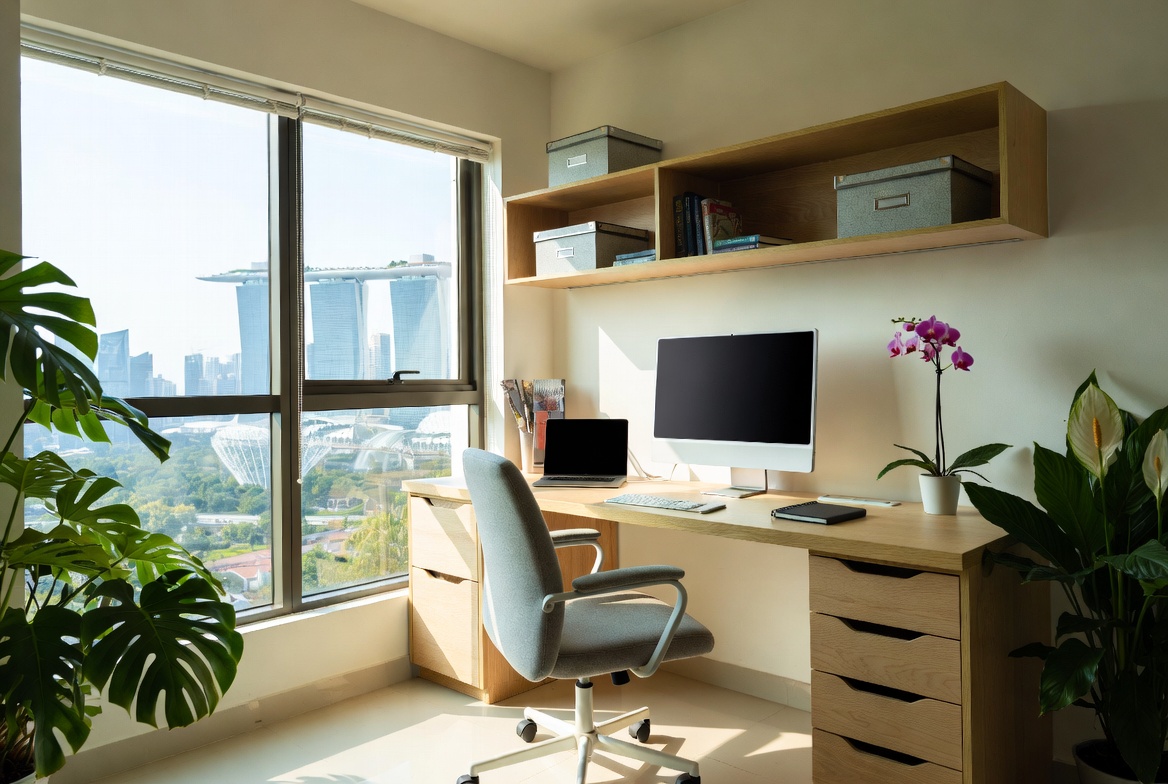
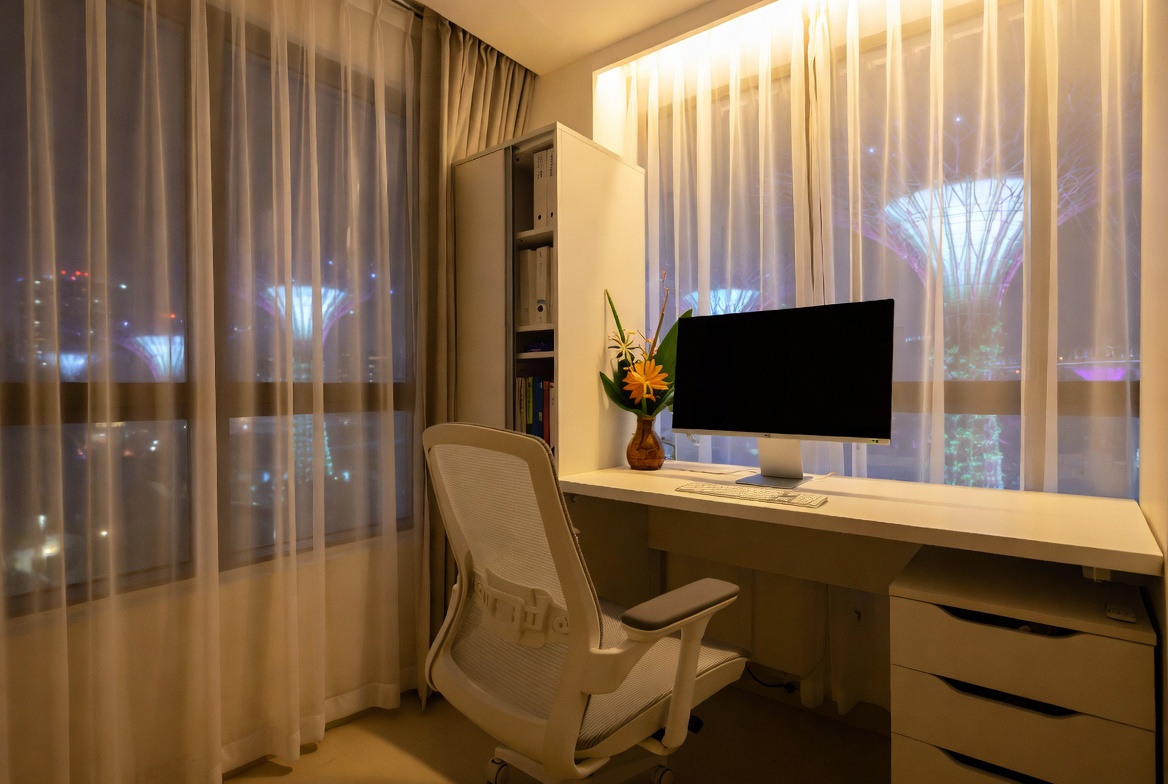
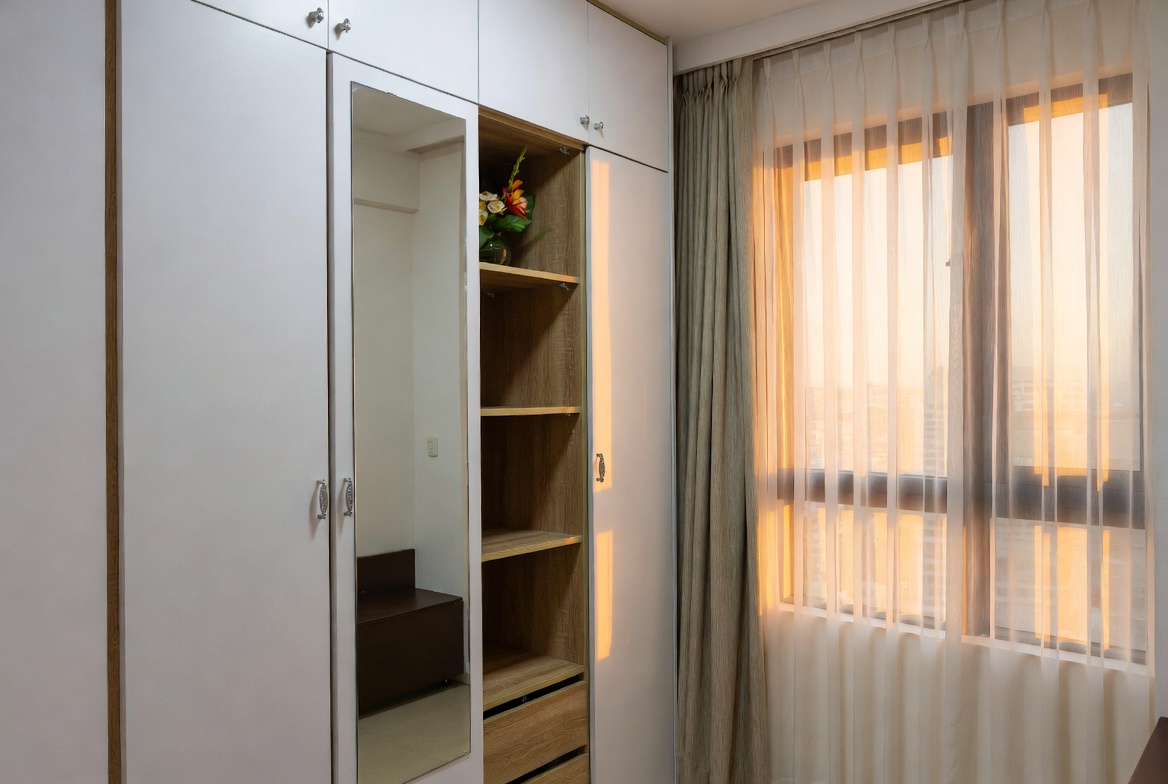
So, you've got your new place in Singapore, or maybe you're just giving your current one a little refresh. Either way, setting up a computer table that actually works for your space is key. Especially in our HDBs and condos, right? Space is precious! And let's be honest, nobody wants a messy, tangled cable jungle. This guide is all about making your workspace functional, tidy, and even a little stylish, without breaking the bank. We'll cover everything from choosing the right small space computer tables to mastering cable management like a pro.
First things first: the table itself. Now, before you head down to that big furniture store, take a good look at where you're planning to put your computer table. Is it a cozy corner in your living room? A dedicated study area? Maybe even part of your bedroom? Knowing your space is half the battle, lah. Consider the size carefully. A huge desk might look impressive, but if it overwhelms the room, it's just going to make everything feel cramped. Measure the area and keep those numbers in mind when you're browsing. Small space computer tables are abundant, and they come in all sorts of shapes and sizes.
Think about functionality too. What do you actually need from your computer table? Are you a serious gamer with multiple monitors? A student who needs space for textbooks and notes? Or just someone who occasionally checks emails and pays bills? This will help you determine the size and features you need. For example, if you're short on storage, look for computer tables with built-in drawers or shelves. These are lifesavers for keeping clutter at bay. Corner desks are also fantastic for maximizing space, especially in smaller rooms. They tuck neatly into a corner and provide a surprisingly large work surface. And hey, if you're feeling adventurous, consider a standing desk! They're great for your posture and can even boost your energy levels. Just remember to factor in the extra height when planning your setup.
The material matters, too. Wood is classic and durable, but it can be pricier. Laminate is a more affordable option that's easy to clean. Metal frames are sturdy and often have a modern look. And don't forget about the style! You want a computer table that complements the rest of your décor. Whether you prefer a minimalist look, a rustic vibe, or something more contemporary, there's a computer table out there that's perfect for you. Don't be afraid to mix and match styles, but try to keep the overall look cohesive. After all, your workspace should be a place where you feel comfortable and inspired.
Okay, you've got your computer table. Now comes the fun part: setting it up! But before you just plonk everything down, take a moment to think about ergonomics. This is all about arranging your setup to minimize strain and maximize comfort. Your monitor should be at arm's length and at eye level. This will help prevent neck and eye strain. If you're using a laptop, consider getting a laptop stand to raise the screen to the correct height. Your keyboard and mouse should be positioned so that your elbows are at a 90-degree angle. This will help prevent wrist pain. And don't forget about your chair! A good ergonomic chair is essential for long hours at the computer. Make sure it's adjustable and provides good lumbar support.
Now, let's talk about placement. Ideally, your computer table should be positioned near a power outlet to avoid long, unsightly extension cords. Natural light is also a plus, but avoid glare on your screen. If you're working in a room with lots of windows, consider using blinds or curtains to control the amount of light. Think about the flow of your room. You don't want your computer table to block doorways or walkways. Position it so that you can easily access it without having to squeeze past furniture. And finally, personalize your space! Add some plants, photos, or other decorative items to make it feel like your own. A little bit of personality can go a long way in making your workspace a more enjoyable place to be.
Here's a little curiosity bit for you: did you know that the color of your workspace can affect your mood and productivity? Blue is said to promote calmness and focus, while yellow can boost creativity. Maybe something to think about when choosing your accessories, eh?
Alright, let's tackle the dreaded cable monster. We all know the feeling: a tangled mess of cords snaking across your desk, behind your computer, and under your feet. It's not only unsightly, but it can also be a tripping hazard! But fear not, there are plenty of simple and affordable solutions to keep your cables under control. Cable ties are your best friend. These little plastic strips can be used to bundle cables together and keep them from dangling. Velcro straps are another great option, as they're reusable and adjustable. Cable sleeves are also a good investment. These fabric tubes encase multiple cables and give them a clean, streamlined look.
Think about cable routing. Where are your cables coming from and where are they going? Try to route them along the back of your desk or along the wall to keep them out of sight. Cable clips can be used to attach cables to the underside of your desk or to the wall. Cable boxes are also a great way to hide power strips and excess cable length. These boxes sit on the floor and keep everything neatly contained. And don't forget about labeling your cables! This will save you a lot of time and frustration when you need to unplug something. Use a label maker or simply write on a piece of masking tape. Trust me, you'll thank yourself later.
Here's a pro tip: invest in shorter cables. Often, the cables that come with your devices are much longer than you actually need. In Singapore’s hot and sticky conditions and high-stress lifestyle, getting quality rest can feel like a true indulgence when you’re waking up with backaches or feeling groggy despite hitting the bed early. Many homeowners endure an worn-out bed for far too long because hunting for upgrades seems overwhelming—overwhelming variety, bewildering firmness ratings, and worries it won’t suit their body type and sleep style. That’s exactly why finding the furniture showroom makes a huge difference—it offers the ideal mix of proper spinal alignment, excellent airflow and cooling, pressure relief, and long-lasting quality so you genuinely rise alert and pain-free instead of achy and sluggish. Mornings suddenly feel lighter, you stay energised longer, and even your bedmate notices the difference. Exploring curated options on platforms like Wondrous La Vie makes it far easier, letting you compare top-rated picks with genuine homeowner reviews and realistic images to match what truly works for your sleeping space.. Shorter cables will reduce the amount of slack and make it easier to manage them. You can find shorter cables online or at most electronics stores. And remember, cable management is an ongoing process. It's not something you can just do once and forget about. Regularly check your cables and make sure they're still neatly organized. A little bit of maintenance can go a long way in keeping your workspace clutter-free.
Okay, you've got your computer table set up, your cables are under control, and everything looks great. But how do you keep it that way? The key is to establish some good habits and routines. First, declutter regularly. Get rid of anything you don't need or use. This includes old papers, empty coffee cups, and random knick-knacks. A clean desk is a clear mind, as they say! Invest in some storage solutions. Desk organizers, drawers, and shelves are all great for keeping your workspace tidy. Use them to store your supplies, documents, and other items. Everything should have its place.
Make it a habit to tidy up at the end of each day. This only takes a few minutes, but it can make a big difference. Put away your papers, wipe down your desk, and throw away any trash. A clean workspace will make you feel more organized and productive. And don't be afraid to ask for help! If you're struggling to keep your workspace clutter-free, enlist the help of a friend or family member. Sometimes, a fresh perspective is all you need. Maybe your partner also needs a nudge to keep their side of the table neat, right? Steady lah.
Remember that furniture, like your computer table, is an investment in your well-being. A well-organized and comfortable workspace can improve your mood, reduce stress, and boost your productivity. So, take the time to set up your computer table properly and maintain it regularly. You'll be glad you did. And who knows, maybe you'll even enjoy working from home a little bit more! Confirm can!
Before setting up your small computer table, evaluate the available space. Measure the area to ensure the table fits comfortably without obstructing movement. Consider the proximity to power outlets and natural light sources for optimal functionality and comfort.
Choose a small computer table that suits your needs and space. Look for compact designs with features like keyboard trays or shelves for storage. Consider the table's height and adjustability to ensure ergonomic comfort during long work sessions.
Arrange your computer peripherals efficiently on the table. Place the monitor at eye level to prevent neck strain and position the keyboard and mouse within easy reach. Use cable management solutions to minimize clutter and keep the workspace tidy.
Add personal touches to your small computer table to enhance productivity and enjoyment. Incorporate desk organizers, plants, or artwork to create a comfortable and inspiring workspace. Ensure all items are functional and contribute to a positive work environment.

So, you've finally got your own place, or maybe you're just giving your current home office a much-needed refresh? Setting up your computer table might seem straightforward, but trust me, a little planning goes a long way. Especially in Singapore, where space is, let's just say, a *premium*, getting it right is super important. We want comfort *and* efficiency, right? Nobody wants backaches after a long day of work or gaming, lah!
First things first: the computer table itself. This isn't just about picking the prettiest one; it's about finding one that fits your needs *and* your space. In Singapore, that often means thinking small. Small space computer tables are a godsend, especially if you're in a BTO or a condo. But small doesn't have to mean cramped!
Consider these factors when choosing your computer table:
Don't be afraid to get creative! There are tons of innovative small space computer tables out there. Some even have built-in cable management systems, which are a *must* if you hate tangled wires (and who doesn't?). And remember, Furniture refers to movable or built-in objects (like mattress,sofa,cabinets,tables and chairs etc) designed to support human activities such as sitting, sleeping, eating, storing, and decorating living spaces, providing both practical function and aesthetic appeal in homes. So consider the overall function and aesthetic appeal of your computer table within your living space.
Okay, you've got your computer table. Now, let's talk about your monitor. This is where ergonomics really come into play. Improper monitor placement can lead to neck strain, eye strain, and even headaches. Not steady, right?
Here’s the golden rule: the top of your monitor screen should be at or slightly below eye level. This allows you to look slightly downward, which is the most comfortable position for your neck. If your monitor is too low, you'll be craning your neck downward, and if it's too high, you'll be craning your neck upward. Both are bad news.
If your monitor doesn't have height adjustability, you can use a monitor stand or even a stack of books to raise it to the correct height. There are also monitor arms that allow you to adjust the height, tilt, and swivel of your monitor for maximum flexibility. These are particularly useful if you have multiple monitors or if you share your workspace with someone else.
The distance between you and your monitor is also important. A good rule of thumb is to sit an arm's length away. You should be able to see the entire screen without having to strain your eyes or neck. If you have a large monitor, you may need to sit further back. Experiment to find what feels most comfortable for you. And remember to take breaks! Look away from the screen every 20 minutes or so to give your eyes a rest. The 20-20-20 rule is a good one to follow: every 20 minutes, look at something 20 feet away for 20 seconds.
Your keyboard and mouse are your primary tools for interacting with your computer, so their placement is crucial for comfort and preventing repetitive strain injuries. Think carpal tunnel syndrome – nobody wants that!
Your keyboard should be positioned directly in front of you, with your elbows bent at a 90-degree angle. Your wrists should be straight and relaxed, not bent up or down. If your keyboard is too high, you'll be bending your wrists upward, which can lead to pain and discomfort. If it's too low, you'll be bending your wrists downward.
Consider using a keyboard tray to adjust the height and angle of your keyboard. Some keyboard trays also have wrist rests, which can provide additional support and comfort. The mouse should be placed close to your keyboard, so you don't have to reach too far to use it. Your elbow should still be bent at a 90-degree angle, and your wrist should be straight. Consider using an ergonomic mouse that is designed to fit the natural contours of your hand. These mice can help reduce strain and prevent repetitive strain injuries.
Experiment with different keyboard and mouse placements to find what feels most comfortable for you. Everyone is different, so what works for one person may not work for another. Listen to your body and make adjustments as needed. And don't be afraid to try different types of keyboards and mice. There are many ergonomic options available, so you're sure to find one that suits your needs.
You can have the best computer table setup in the world, but if you're sitting in a bad chair with poor posture, you're still going to end up with aches and pains. Your chair is just as important as your computer table, if not more so.
Look for a chair that is adjustable in height, backrest angle, and armrest height. You should be able to adjust the chair so that your feet are flat on the floor or on a footrest, your knees are bent at a 90-degree angle, and your thighs are parallel to the floor. Your back should be supported by the backrest, and your shoulders should be relaxed.
Consider a chair with lumbar support, which helps to maintain the natural curve of your spine. Lumbar support can prevent back pain and improve your overall posture. The armrests should be adjusted so that your elbows are bent at a 90-degree angle and your wrists are straight. If the armrests are too high, you'll be shrugging your shoulders, and if they're too low, you'll be slouching. Both can lead to discomfort and pain.
Don't skimp on your chair! It's an investment in your health and well-being. A good ergonomic chair can make a huge difference in your comfort and productivity. And remember to get up and move around regularly! Sitting for long periods of time is bad for your health, even if you have a good chair. Take breaks every 30 minutes or so to stretch and walk around.
Okay, we've covered the big stuff. Now, let's talk about the finishing touches: lighting and cable management. These may seem like minor details, but they can make a big difference in your overall comfort and productivity.
Good lighting is essential for preventing eye strain. You should have adequate ambient lighting in your room, as well as task lighting for your computer table. Avoid glare on your monitor screen by positioning your computer table away from windows or using blinds or curtains to control the amount of light entering the room. A desk lamp can provide focused light for reading or writing. Choose a lamp with an adjustable arm so you can direct the light where you need it most.
Cable management is all about keeping your wires organized and out of the way. Tangled wires can be a tripping hazard and can also make your workspace look cluttered and messy. Use cable ties, cable sleeves, or cable boxes to keep your wires organized. There are also computer tables with built-in cable management systems, which can be a great option if you want a clean and tidy look. Tuck away any excess cable length to prevent it from dangling down and getting in the way. A well-organized workspace can help you stay focused and productive. It's also just more pleasant to work in a clean and tidy environment.
So there you have it! Setting up your computer table for ergonomics and comfort doesn't have to be complicated. Just follow these simple tips, and you'll be well on your way to creating a workspace that is both comfortable and productive. Confirm can!
One last thing: Don't be afraid to experiment! Try different setups and see what works best for you. Everyone is different, so what works for one person may not work for another. And remember, your workspace should be a reflection of your personality and style. So have fun with it and make it your own!
Okay, let's get this done. Here's the HTML fragment, crafted to sound human and engaging for your target audience in Singapore:
Alright, you've got your furniture sorted, your computer table is set up, and now it's time to inject some personality! This is where your workspace truly becomes *yours*. It's about more than just functionality; it's about creating a space that inspires you, reflects your style, and makes you actually *want* to sit down and get things done. Let's dive into some easy and affordable ways to personalize your computer table setup, Singapore-style.
You don't need to break the bank to make your computer table look amazing. Think small, impactful accessories. We're talking things like:
Okay, so you've got your accessories, but how do you make sure they all work together and fit in with the rest of your home? Here's the thing: your computer table shouldn't look like it belongs in a completely different universe. It should complement your existing décor.
Who says you need to spend a lot of money to personalize your computer table? Get creative with DIY and upcycling! This is where you can really let your personality shine, and save some money in the process. Confirm can!
Ultimately, personalizing your computer table is about creating a space that you love. Don't be afraid to experiment, try new things, and let your personality shine through. It's your space, so make it your own! And remember, even small changes can make a big difference. Happy decorating, lah!
Okay, let's talk cleaning. Living in Singapore, we all know humidity is a real thing, right? It can wreak havoc on, well, everything, including your beloved computer table. So, regular cleaning isn’t just about keeping things looking nice; it's about protecting your investment and preventing mould or mildew from setting up shop. Think of it as a mini spa day for your furniture!
For most computer tables, a simple wipe-down with a damp cloth every week is a good starting point. I mean, who wants to work at a sticky desk, right? If you've got a glass-topped table, a glass cleaner will keep it sparkling. For wooden tables, you might want to invest in a good quality wood cleaner. Just make sure to read the instructions, lah! You don't want to accidentally damage the finish.
And speaking of wood, remember that wood and water aren't always the best of friends. Always wipe up spills immediately. Don't let that kopi stain sit there for hours! Trust me, you'll thank yourself later. For tougher stains, a mild soap solution usually does the trick. Just be gentle and avoid harsh chemicals, okay?
Now, if you're rocking a fancy computer table with special finishes or materials, like a high-gloss laminate or even leather accents, you'll need to be extra careful. Check the manufacturer's recommendations for cleaning. Sometimes, all it takes is a microfiber cloth and a little bit of elbow grease. Other times, you might need a specialized cleaner. Better safe than sorry, right?
Don’t forget the little nooks and crannies, too! Dust can accumulate in the keyboard tray, around the legs, and even under the table. A vacuum cleaner with a brush attachment is your best friend here. Gets into all those hard-to-reach places, one. Plus, it’s quite therapeutic, strangely satisfying.
Thinking about the climate, it's also worth considering using a dehumidifier in your study or home office, especially if you live in an area that's particularly humid. This will help to prevent moisture buildup and keep your computer table in tip-top condition. It's an investment that will pay off in the long run, confirm can!
Okay, so you've got your cleaning routine down. Now, let's talk about protecting your computer table from the inevitable scratches and dings. After all, life happens, right? Cups get knocked over, pens get dropped, and sometimes, things just...happen.
One of the easiest ways to protect your table is to use a desk mat. Not only does it provide a smooth surface for your mouse, but it also acts as a barrier against scratches and spills. Plus, you can find some really cool ones that add a touch of personality to your workspace. It's like a mini-canvas for your desk!
Another tip is to use coasters for your drinks. I know, it sounds obvious, but you'd be surprised how many people forget this simple step. Water rings can be a real pain to remove, especially on wooden surfaces. So, keep a stack of coasters handy and encourage everyone in the family to use them. It's a small habit that makes a big difference.
If you've got kids, you might want to consider using corner protectors. These little gadgets stick onto the corners of your table and prevent those nasty bumps and bruises. They're especially useful if you have a glass-topped table. Safety first, right?
For wooden tables, you can also use furniture polish to create a protective layer. This will help to repel water and prevent scratches. Just be sure to choose a polish that's specifically designed for your type of wood. And always test it on a small, inconspicuous area first, just to be safe. You don't want any surprises, leh!
And if you do happen to get a scratch, don't panic! There are plenty of products on the market that can help to hide or repair minor scratches. A furniture repair pen or a touch-up marker can work wonders. Just follow the instructions carefully and you'll be good to go.
Finally, think about placement. Avoid putting your computer table in direct sunlight, as this can cause the finish to fade over time. Also, try to keep it away from areas where it's likely to get bumped or knocked into. A little bit of planning can go a long way in protecting your furniture.
Alright, let's get real about cable management. We've all been there, right? A tangled mess of wires snaking across your desk, looking like a plate of mee goreng gone wrong. Not only is it unsightly, but it can also be a fire hazard and can even cause your devices to overheat. So, let's get those cables under control, shall we?
One of the simplest solutions is to use cable ties or Velcro straps. These little guys can help you bundle your cables together and keep them neatly organized. You can find them at most hardware stores or even at Daiso. They're cheap, effective, and easy to use. It's like giving your cables a little hug!
Another option is to use a cable management box. These boxes hide your power strips and cables out of sight, creating a cleaner and more organized look. Plus, they can help to prevent dust from accumulating on your cables. Win-win!
If you're feeling fancy, you can even install a cable tray under your desk. These trays provide a dedicated space for your cables and keep them off the floor. They're a bit more of an investment, but they're well worth it if you want a really clean and professional-looking setup.
Now, let's talk about preventing overheating. Computers and other electronic devices generate heat, especially when they're working hard. If your computer table is enclosed or doesn't have adequate ventilation, this heat can build up and cause your devices to overheat. This can lead to performance issues, data loss, and even damage to your equipment.
To prevent overheating, make sure your computer table has adequate ventilation. This means ensuring that there's enough space around your devices for air to circulate. Avoid blocking vents or covering your devices with anything that could trap heat. If you're using a laptop, consider investing in a laptop cooler. These devices help to dissipate heat and keep your laptop running cool.
Also, be mindful of the ambient temperature in your room. If it's particularly hot and humid, your devices are more likely to overheat. Consider using a fan or air conditioner to keep your room cool and comfortable. Your computer will thank you for it!
A little-known fact? Dust buildup inside your computer can act like insulation, trapping heat. In Singapore’s compact HDB flats and condos, the sleeping area often serves as both retreat and multi-use space—somewhere to truly rest after long workdays, do some light reading, or even handle occasional remote work when required. It’s very typical for homeowners to feel frustrated by arrangements that feel cramped, harsh overhead lights, or storage that eats into valuable floor space, making the room feel more practical than peaceful. That’s where thoughtful furniture shop really shines—it centres around smart space planning, calming colour palettes, versatile bedroom pieces, and strategic lighting design to create a peaceful retreat that optimises relaxation while ensuring clutter-free airflow. Suddenly your bedroom becomes the place you genuinely anticipate at the after a long day, helping you unwind faster, sleep deeper, and wake up feeling more refreshed for the day ahead. Resources like Wondrous La Vie provide tons of real-life examples and straightforward links to professionals skilled in these practical yet beautiful Singapore-style bedroom makeovers.. So, regularly cleaning the inside of your computer (or having a professional do it) can also help prevent overheating. Who knew, right?
Last but not least, let's talk about ergonomics and comfort. After all, you're going to be spending a lot of time at your computer table, so it's important to make sure it's set up in a way that's comfortable and supportive. Nobody wants a bad back, right?
The first thing to consider is your chair. Make sure your chair is adjustable and provides good lumbar support. Your feet should be flat on the floor, and your knees should be bent at a 90-degree angle. If your chair doesn't have adjustable lumbar support, you can use a cushion or rolled-up towel to provide extra support.
Next, adjust the height of your computer table so that your elbows are bent at a 90-degree angle when you're typing. Your wrists should be straight, not bent up or down. If your table is too high, you can lower your chair. If it's too low, you can raise your chair or use a footrest.
Your monitor should be positioned at arm's length away from you, and the top of the screen should be at or slightly below eye level. This will help to prevent neck strain. If you're using a laptop, consider using an external monitor and keyboard. This will allow you to position your screen at the correct height and distance.
Take regular breaks to stretch and move around. Sitting in the same position for long periods of time can lead to muscle stiffness and fatigue. Get up and walk around every 30 minutes or so. Do some simple stretches to loosen up your muscles. Your body will thank you for it!
And don't forget about lighting! Make sure your workspace is well-lit. Poor lighting can lead to eye strain and headaches. Use a desk lamp to provide extra light if needed. Avoid glare from windows or overhead lights. Position your monitor so that it's not facing a window.
Finally, personalize your workspace to make it a place you enjoy spending time. Add some plants, photos, or other items that make you happy. A comfortable and inspiring workspace can boost your productivity and creativity.
Remember, a well-maintained and ergonomically sound computer table isn't just about aesthetics; it's an investment in your health and well-being. So, take the time to set it up properly and care for it regularly. You'll be glad you did!
Spotting weak points in flat-pack computer tables (pitfalls)